
Chatbots in ecommerce are no longer niche add-ons. They have evolved into strategic tools that can engage customers conversationally, help them find products, handle orders and returns, and even perform market research.
With the rapid advancement of artificial intelligence and changing customer expectations, ecommerce businesses must reevaluate how chatbots fit into their digital experience.
Ecommerce chatbots have been around for years but recent developments make their role more significant than ever.
What Is an Ecommerce Chatbot
An ecommerce chatbot is a computer program that interacts with customers on an online platform in a conversational way. Its purpose is to act like a virtual agent that assists customers with shopping tasks and answers their questions. Previously chatbots were often rule-based and offered only predetermined responses which limited their usefulness. Today AI-powered chatbots use natural language processing and generative models to understand customer intent even when the phrasing is informal or includes slang.
Use Cases for Ecommerce Chatbots
Answering Personalized Questions
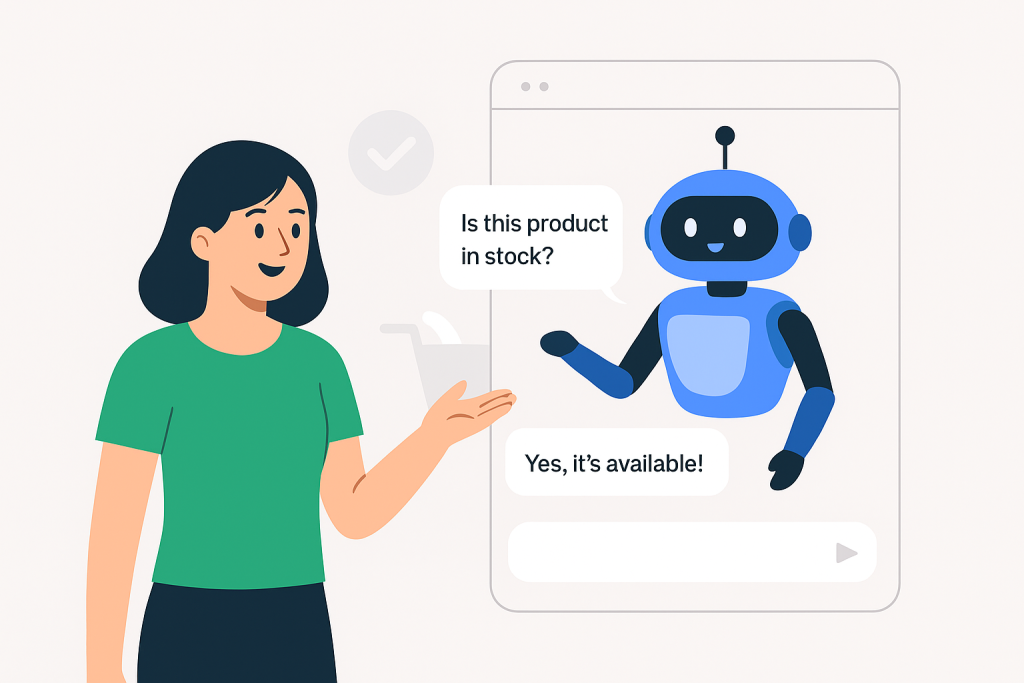
Ecommerce chatbots can provide quick answers to customer questions including stock availability, shipping information, product dimensions or store locations. They replace the need for customers to browse through multiple pages and reduce frustration while increasing satisfaction. With AI chatbots these responses can be tailored to the customer’s current context and purchase journey.
Helping Customers Find Products
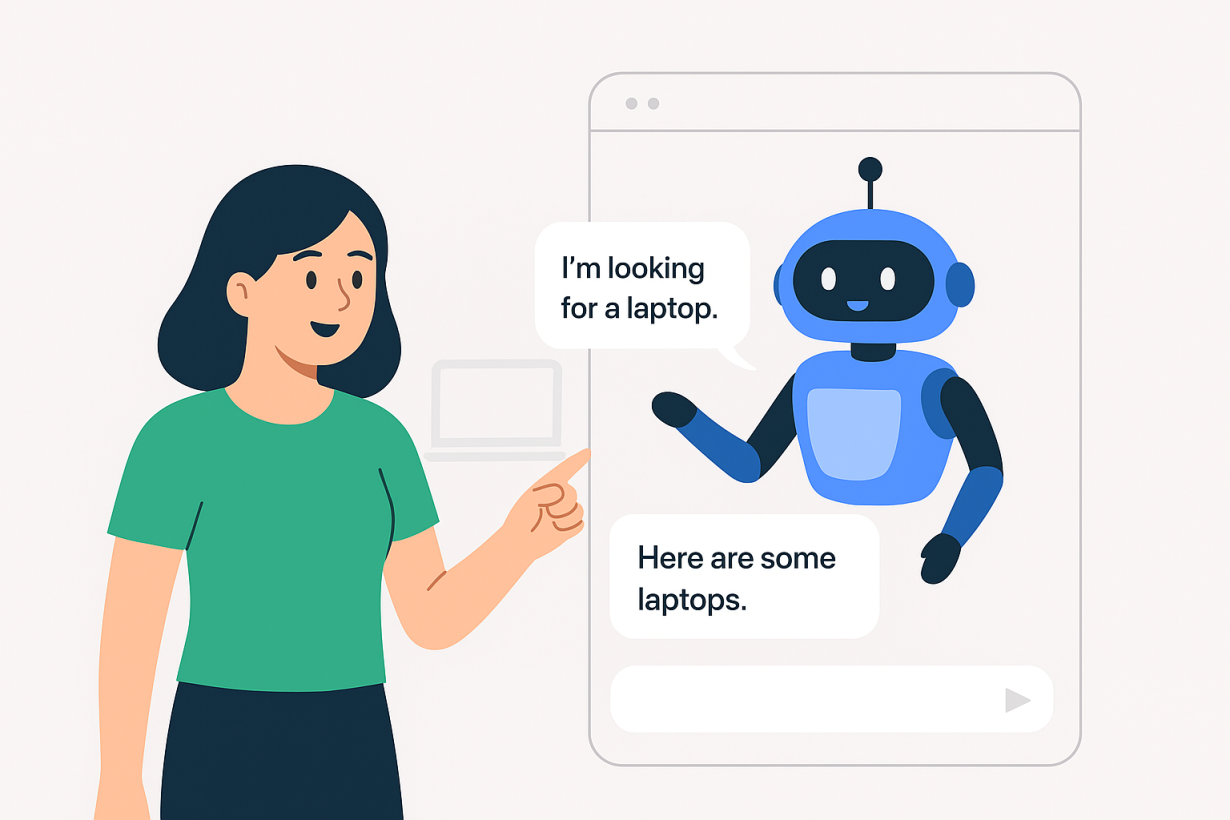
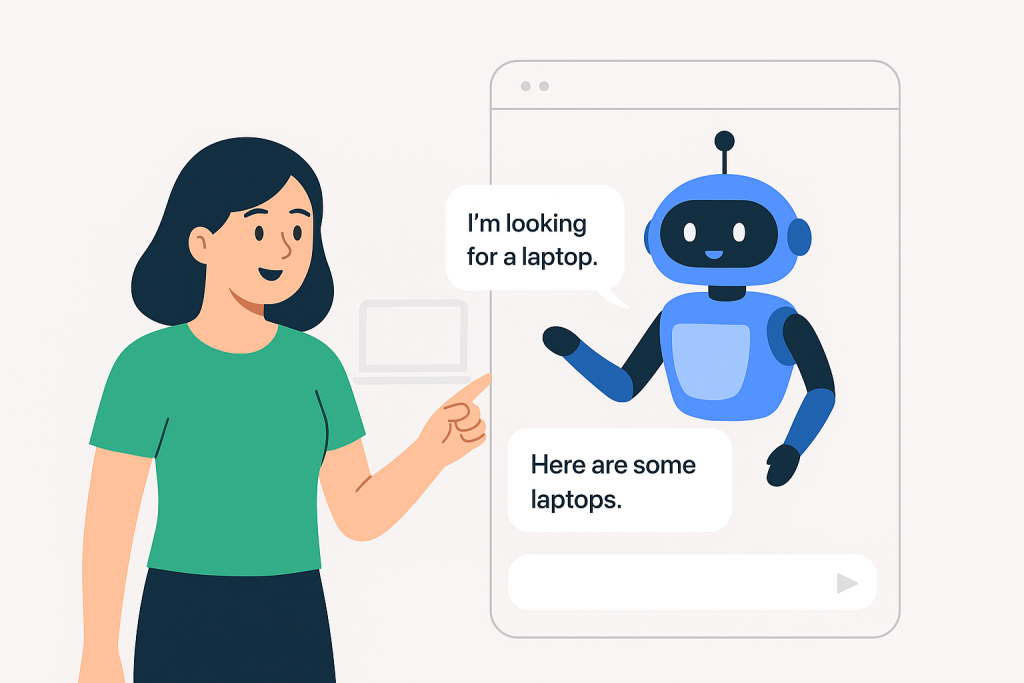
Chatbots can act as personal shopping assistants. By asking targeted questions about preferences, activity type, location and other attributes they can narrow down options and recommend products that fit the shopper’s needs. This kind of conversational experience guides customers through discovery, especially when they are unsure what they want.
Managing Orders and Returns
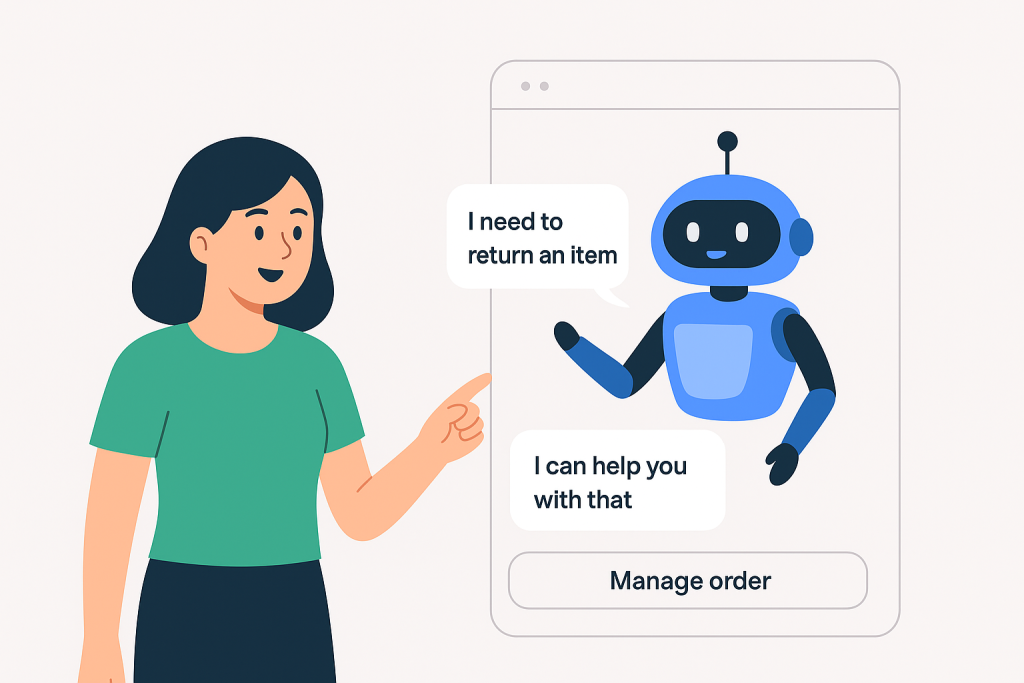
Order tracking and returns handling are frequent points of customer friction. Ecommerce chatbots can provide real-time updates on order status, assist in initiating returns and answer related queries. These capabilities free up human agents for more complex tasks and improve customer experience.
Promoting Offers and Discounts
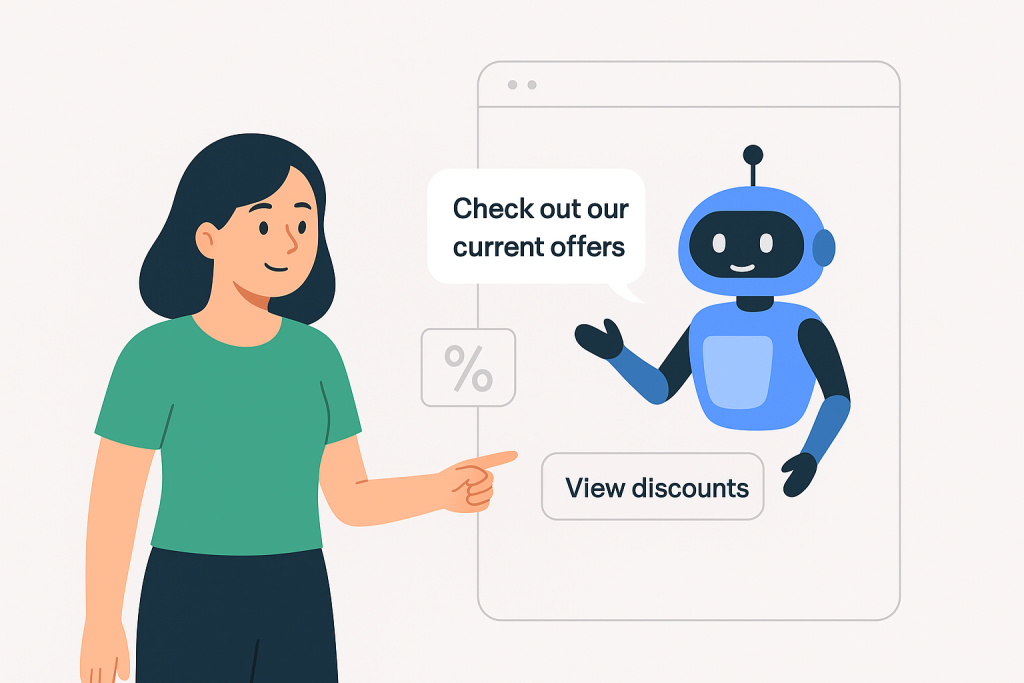
Chatbots can be proactive in offering promotions, applying discount codes and suggesting complementary products based on customer history and behaviour. Integrated across marketing channels they enhance engagement by delivering offers at the right moment during the shopping journey.
Conducting Market Research
Beyond customer service and sales chatbots collect valuable zero-party data through conversational interactions. Every chat is a touchpoint that can provide insights into customer preferences, emerging trends and satisfaction levels. Businesses can use that data to refine marketing strategies, product development and the overall shopping experience.

AI Chatbot Integration
Integrating AI chatbots directly into ecommerce platforms allows access to key store data and enables highly personalized customer experiences.
Shopify: Chatbots can use real-time inventory, order history, and product catalogs to recommend products, track orders, and recover abandoned carts. Shopify’s App Store offers diverse AI chatbot options with varying levels of customization.
Magento: With Magento’s flexible architecture, chatbots can tap into segmentation data and complex product configurations to support B2B quotes, custom orders, and multi-store operations.
BigCommerce: Chatbots integrated with BigCommerce can access rich customer profiles and product data to deliver smart product discovery and handle complex service interactions through the platform’s API-first design.
Benefits of Ecommerce Chatbots
Around-the-clock Customer Assistance
Ecommerce chatbots offer 24/7 support enabling customers to get help anytime regardless of time zone or store hours. This always-on presence improves accessibility and can reduce bounce rates and cart abandonment.
Unlocking New Audience Segments
A large portion of online visitors may not know exactly what they want or how to ask for it. Chatbots can engage these browsers, provide conversational guidance and convert them into purchasers by guiding them step by step. This helps brands reach beyond high-intent shoppers to a broader audience.
Increased Sales and User Engagement
When chatbots engage customers in natural conversations and guide them through their shopping journey, conversion rates improve. They help reduce friction, make personalized recommendations, reduce cart abandonment and improve customer lifetime value.
Best Practices for Implementing Ecommerce Chatbots
First determine what you want your chatbot to achieve. Whether it is customer service, product discovery, order assistance or promotion engagement you need a clear goal. Then train your chatbot with data that reflects your business, your products and your customers so it can provide accurate relevant responses. Design your chatbot to match your brand voice and personality since it becomes part of your customer experience. Also ensure compliance with data protection regulations by implementing consent management and privacy policies.
Conversational Commerce and the Future
The role of chatbots is evolving into full-fledged conversational commerce where chat becomes a pathway to purchase. With agentic AI and wider integration chatbots will support personalized shopping experiences, guide visitors in context, engage users across channels and drive deeper customer relationships. Ecommerce businesses must embrace this shift to remain competitive.
Conclusion
Ecommerce chatbots have matured from simple FAQ responders into strategic tools that enhance customer experience, drive conversions and provide valuable business insights. AI-powered chatbots help brands engage customers conversationally, personalize the shopping journey and scale service at lower cost. When implemented thoughtfully and aligned with brand goals ecommerce chatbots can become a key differentiator in the digital retail landscape.