
OpenAI has launched a major update: starting now, you can chat directly with third-party apps inside ChatGPT, and developers can build these apps using a newly introduced Apps SDK.
The concept is to make ChatGPT not just a chatbot, but a full conversational platform where apps are embedded in the chat experience.
Details: https://openai.com/index/introducing-apps-in-chatgpt/
Key features and usage
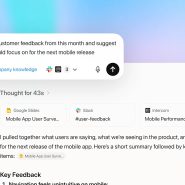
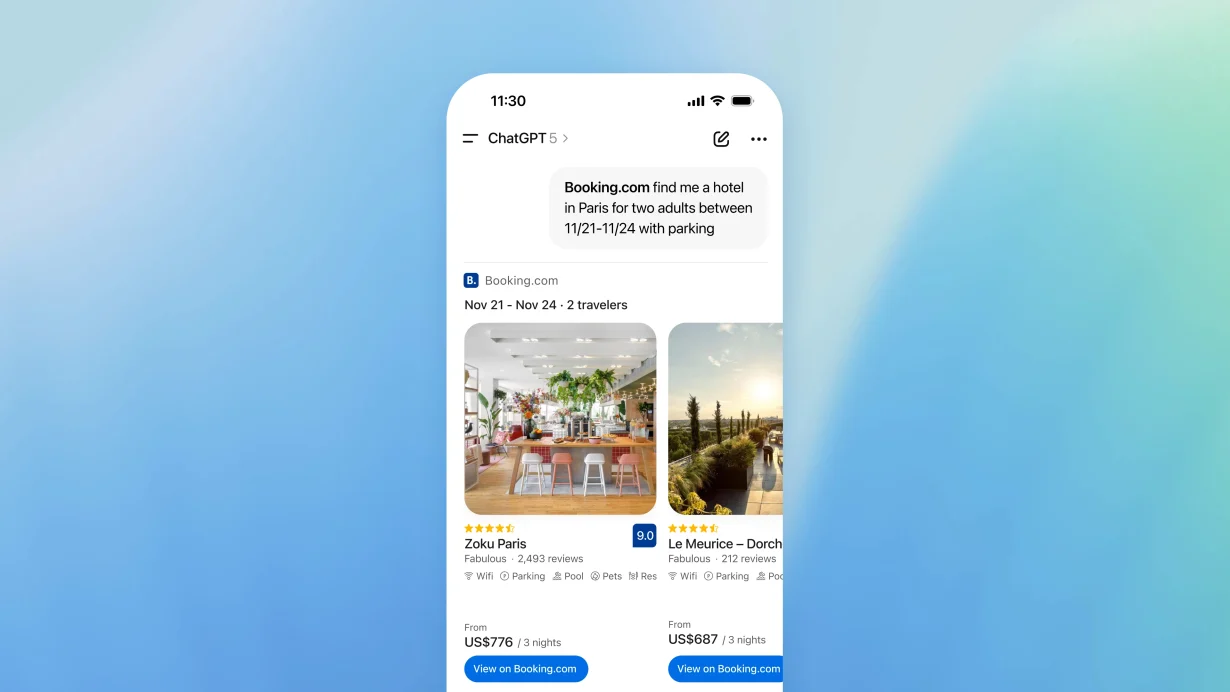
Apps appear inside ChatGPT conversations. For instance, you might type: “Spotify, create a playlist for my party” and the Spotify-app inside ChatGPT will respond.
ChatGPT can also suggest relevant apps automatically during a conversation when it senses they may help. Example: planning travel triggers a booking-app suggestion.
At launch, supported apps include major services like Booking.com, Canva, Coursera, Expedia, Figma, Spotify and Zillow.
Developers have access to the Apps SDK in preview and will be able to submit apps for review and listing later this year.
Why it matters
By embedding apps inside conversations, ChatGPT becomes a one-stop interface: users don’t need to switch to separate apps or tabs.
For developers, it opens a new distribution channel: building apps for ChatGPT gives access to its large user base.
For users, it streamlines workflows: e.g., ask for a design in Canva, pull up travel options in Zillow — all in the same chat.
Technical & developer details
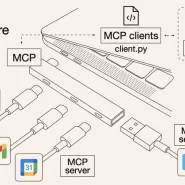
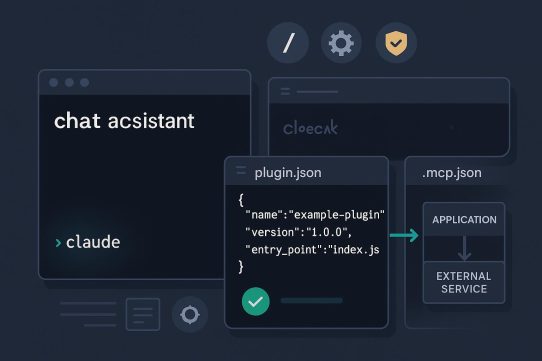
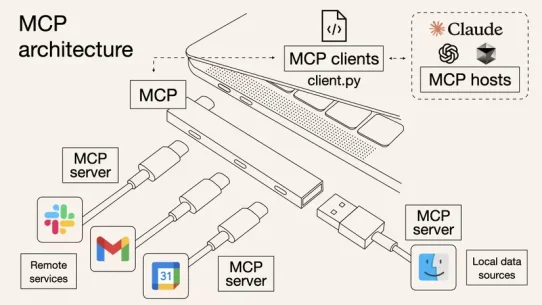
The Apps SDK is based on the underlying “Model Context Protocol” (MCP) that OpenAI uses for tool integrations.
Apps are essentially Web UIs embedded within the chat interface (via sandboxed iframes) and communicate with ChatGPT through structured tool calls.
Developers must define their app interfaces, inputs/outputs and data schemas in order to integrate smoothly with ChatGPT.
Considerations & next-steps
While the preview is available now, full submission, review, monetization and app-directory features are still rolling out.
Data-privacy, permissions and trust will be key: apps inside chat need to manage user data responsibly and transparently.
As this platform matures, we might see ChatGPT evolve from “chatbot” to a conversational operating system — a new way to interact with multiple services.
Conclusion
The introduction of Apps in ChatGPT marks a turning point in how we interact with AI — transforming ChatGPT from a question-answering tool into a unified workspace where conversation meets action.
By allowing third-party services to live directly inside the chat interface, OpenAI has blurred the line between apps and dialogue. Instead of jumping between different tabs or dashboards, users can now plan trips, design graphics, learn new skills, and analyze data — all within a single conversational thread.
For developers, the new Apps SDK represents a massive opportunity: a chance to build next-generation “chat-native” experiences that leverage language as the interface. For enterprises, it opens the door to embedding their own workflows, data tools, and internal systems into ChatGPT — securely and interactively.
While still in its early stages, this evolution positions ChatGPT as more than just an assistant — it’s becoming the conversation layer of the digital ecosystem, an intelligent hub that connects people, apps, and knowledge in one place.
🌟 In short, Apps in ChatGPT could redefine what it means to “use” an application — where every app speaks your language.